
Natural Solutions for Organic DIY Pest Control and Fertilisers in Your Garden
- Flo's Garden

- Dec 17, 2025
- 3 min read
Gardening without chemicals can feel like a challenge, especially when pests invade or plants need a nutrient boost. But you don’t have to rely on harsh products to keep your garden healthy. I’ve found that using organic pest control methods and homemade fertilisers not only protects the environment but also creates a thriving garden full of life. In this post, I’ll share practical, easy-to-make solutions that anyone can try at home.

Why Choose Organic Pest Control?
Why Choose Organic Fertilisers and Natural Pest Control?
Chemical fertilisers and pesticides disrupt the balance of your garden ecosystem. While they may provide a short-term boost to growth, they can deteriorate soil quality and negatively impact pollinators.
• Organic fertilisers improve soil structure, increase beneficial microbes, and release nutrients slowly. This leads to stronger plants that naturally resist disease.
• Natural pest control avoids harsh chemicals by encouraging beneficial insects, using plant-based sprays, or creating physical barriers. This approach protects pollinators and sustainably controls pests.
By choosing these methods, you create a self-sustaining garden that thrives year after year.
Simple Homemade Pest Control Recipes
Here are some of my favourite DIY pest control recipes that work well for common garden pests:
Garlic and Chilli Spray
This spray repels aphids, whiteflies, and spider mites.
Blend 2 cloves of garlic and 1 hot chilli pepper with 1 litre of water.
Let the mixture sit overnight.
Strain and pour into a spray bottle.
Spray directly on affected plants every 5-7 days.
Neem Oil Solution
Neem oil disrupts pest feeding and reproduction without harming beneficial insects.
Mix 1 tablespoon of neem oil with 1 teaspoon of mild liquid soap in 1 litre of water.
Shake well and spray on leaves, especially the undersides.
Use every 7-10 days or after rain.
Soap and Water Spray
A simple soap spray can control soft-bodied insects such as aphids and mealybugs.
Mix 1 tablespoon of liquid castile soap with 1 litre of water.
Spray plants early in the morning or late afternoon.
Avoid using harsh detergents that can damage plants.
Natural Fertilisers You Can Make at Home
Feeding your plants with organic fertilisers improves soil structure and provides slow-release nutrients. Here are some easy homemade fertilisers that have worked well in my garden:
Compost Tea
Compost tea is rich in beneficial microbes and nutrients.
Fill a bucket with water and add a shovelful of mature compost.
Stir and let it steep for 48 hours.
Strain and dilute with water (1:10 ratio).
Use as a foliar spray or soil drench once a week.
Banana Peel Fertiliser
Banana peels provide potassium and phosphorus, essential for flowering and fruiting.
Chop banana peels into small pieces.
Bury them around the base of plants or soak them in water for 3 days.
Use the water to feed plants.
Eggshell Powder
Eggshells add calcium to prevent blossom end rot in tomatoes and peppers.
Rinse and dry eggshells.
Crush into a fine powder.
Sprinkle around plants or mix into potting soil.

Tips for Successful Organic Gardening
Rotate crops to prevent pest buildup and soil depletion.
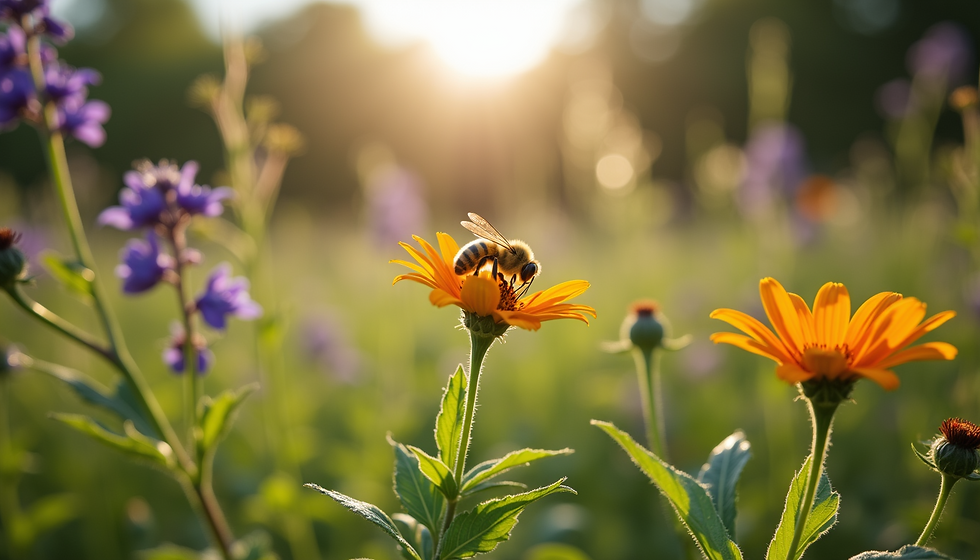
Encourage beneficial insects by planting flowers like marigolds, nasturtiums, and dill.
Keep your garden clean by removing dead leaves and debris where pests hide.
Water wisely to avoid creating damp conditions that attract pests.
Combining Pest Control and Fertilisers for Best Results
Using organic pest control and homemade fertilisers together creates a balanced garden ecosystem. Healthy plants resist pests better, and natural pest control methods protect beneficial organisms that help your garden thrive.
Applying neem oil to my tomato plants and giving them weekly compost tea helps keep aphids away and promotes growth, without using any chemicals.

Homemade organic fertilisers are simple, effective, and sustainable. From compost tea and banana peel water to coffee grounds and eggshell powder, these DIY solutions help houseplants thrive naturally. By embracing eco-friendly practices, you not only grow healthier plants but also contribute to a greener planet.
Gardening organically requires patience and observation, but the rewards are worth it. You’ll enjoy fresh, chemical-free produce and a garden full of life.


Comments