
Transform Your Backyard with Smart Gardening and Eco-Tech Solutions
- Flo's Garden

- Dec 17, 2025
- 4 min read
Gardening has evolved far beyond traditional tools and manual labour. Today, smart gardening blends technology with nature to create efficient, sustainable, and enjoyable outdoor spaces. For gardeners over 40 who care deeply about the environment, adopting eco-tech garden solutions offers a way to nurture plants while reducing waste and conserving resources. This post explores how smart irrigation systems, solar-powered garden lights, compost sensors, and other innovations can transform your backyard into a thriving, eco-friendly haven.

What Is Smart Gardening and Why Does It Matter
Smart gardening uses technology to monitor and manage garden conditions automatically or with minimal effort. It helps gardeners make better decisions about watering, soil health, and lighting, saving time and resources. For eco-friendly gardening UK enthusiasts, smart gardening means reducing water waste, lowering energy use, and supporting biodiversity.
By integrating sensors and automated systems, smart gardening can:
Detect soil moisture levels to avoid overwatering
Monitor compost quality to speed up decomposition
Use renewable energy for lighting and tools
Provide real-time data to adjust care routines
These benefits align with sustainable backyard ideas that focus on long-term health for plants and the planet.
Smart Irrigation Systems for Water Efficiency
Why Water Management Matters
Traditional watering methods often lead to overwatering, wasted resources, and higher utility bills. In fact, studies show that up to 50% of outdoor water use is wasted due to inefficient irrigation practices. Smart irrigation systems solve this problem by delivering water precisely when and where it’s needed.
Features of Smart Irrigation Systems
• Weather-based scheduling: Sensors adjust watering based on rainfall, humidity, and temperature.
• Soil moisture monitoring: Prevents overwatering by tracking soil hydration levels.
• Mobile app control: Manage your garden remotely from your smartphone.
• Zoned watering: Customise irrigation for lawns, flower beds, and vegetable patches.
How Smart Irrigation Works
Sensors placed in the soil measure moisture levels continuously.
The system connects to a controller that adjusts watering schedules.
Weather forecasts are integrated to skip watering before rain.
Some systems allow remote control via smartphone apps.
Benefits for Your Backyard
Healthier plants with consistent moisture
Reduced water waste by up to 30% compared to traditional sprinklers
Less manual effort and guesswork
Supports drought-resistant gardening practices
For example, a smart irrigation system installed in a UK garden reduced water use by 25% in the first season, proving its value for eco-friendly gardening UK.
Solar-Powered Garden Lights for Sustainable Illumination
Lighting your garden after dark adds beauty and safety, but can increase electricity use. Solar-powered garden lights offer a clean alternative by harnessing sunlight during the day and illuminating pathways or plants at night without extra energy costs.
The Problem with Traditional Lighting
Outdoor lighting enhances safety and ambience, but conventional electric lights consume significant energy. Solar-powered garden lights provide a sustainable alternative, harnessing free energy from the sun.
Features of Solar Garden Lights
Built-in solar panels charge batteries during daylight
Automatic on/off sensors activate lights at dusk and dawn
Available in various styles, from spotlights to string lights
Low maintenance with no wiring required
Why Choose Solar Lights
Zero electricity bills for outdoor lighting
Reduced carbon footprint compared to mains-powered lights
Easy installation anywhere in the garden
Enhances outdoor living spaces sustainably
A typical UK garden can install solar-powered garden lights along paths and patios, creating a warm atmosphere while supporting sustainable backyard ideas.

Compost Sensors to Improve Soil Health
Composting turns kitchen scraps and garden waste into nutrient-rich soil, but managing compost piles can be tricky. Compost sensors measure temperature, moisture, and oxygen levels to ensure the pile decomposes efficiently.
How Compost Sensors Help
Alert gardeners when to turn the pile for aeration
Indicate if moisture levels are too low or high
Help maintain optimal conditions for microbes
Reduce composting time from months to weeks
Using compost sensors supports eco-tech garden solutions by improving soil quality naturally and reducing reliance on chemical fertilisers. This approach fits perfectly with sustainable backyard ideas focused on soil health and waste reduction.
Combining Smart Gardening Tools for Maximum Impact
Integrating multiple eco-tech garden solutions creates a smart ecosystem in your backyard. For instance, smart irrigation systems can work alongside compost sensors to ensure plants receive nutrient-rich water. Solar-powered garden lights can highlight areas where you monitor soil or compost, making evening gardening easier.
Tips for Getting Started
Assess your garden’s needs: watering, lighting, soil health
Choose compatible smart devices that communicate or can be controlled via one app
Start small with one or two systems, then expand gradually
Monitor results and adjust settings for best performance
Many gardeners over 40 find that smart gardening not only saves time but also deepens their connection to nature by providing clear feedback on plant health.
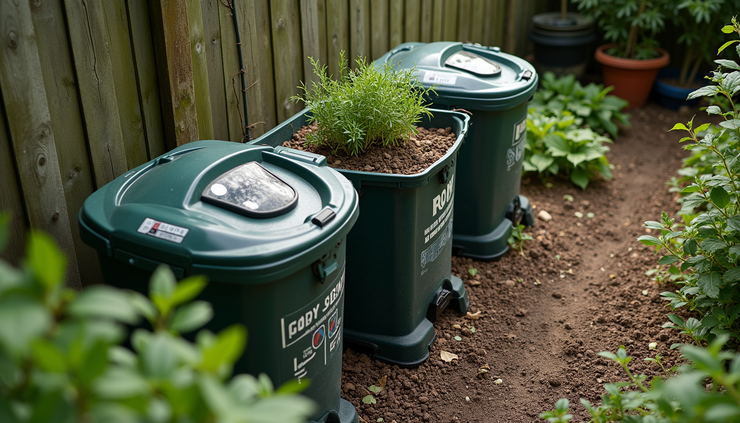
Sustainable Backyard Ideas for Every Garden
Smart gardening is part of a broader movement toward sustainable backyard ideas. Here are some practical ways to enhance your garden’s eco-friendliness:
Use rainwater harvesting systems to supplement irrigation
Plant native species that require less water and support local wildlife
Create habitats for pollinators like bees and butterflies
Mulch garden beds to retain moisture and suppress weeds
Choose organic fertilisers and pest control methods
Combining these practices with eco-tech garden solutions creates a resilient garden that thrives with less effort and environmental impact.
Final Thoughts on Smart Gardening and Eco-Tech
Smart gardening offers a clear path to a more sustainable, efficient, and enjoyable backyard. By adopting smart irrigation systems, solar-powered garden lights, and compost sensors, gardeners can reduce waste, save money, and support healthy ecosystems. For those passionate about eco-friendly gardening UK, these tools provide practical ways to care for the environment while enhancing garden beauty and productivity.



Comments